


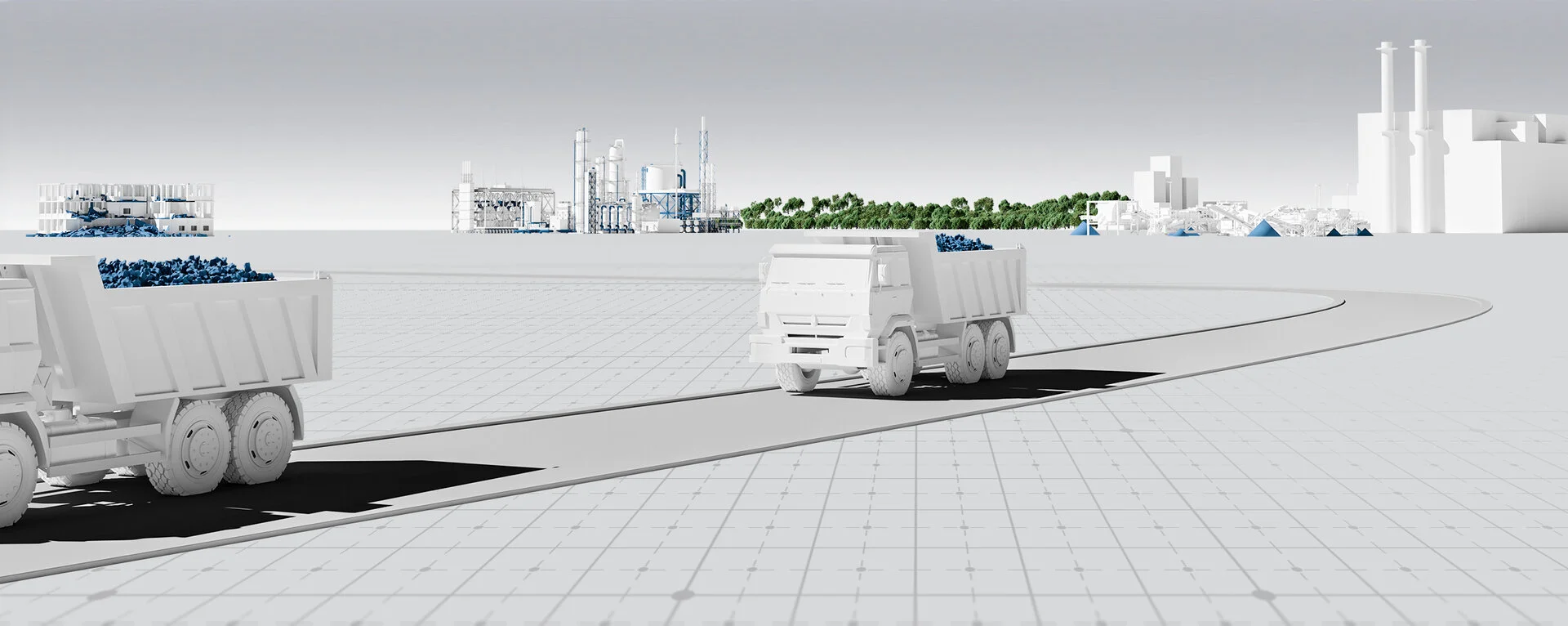

Full-scale mineral waste management
Despite legal provisions on waste prevention, and despite all calls for repairable products with longer lifespans, there are still far too large volumes of waste worldwide that are simply sent to landfill after use. This not only leads to a loss of valuable resources but is also associated with increased emissions of methane, a gas harmful to the climate. To avoid this, waste is increasingly treated thermally or biological-physically. What remains is largely of a mineral nature and forms the basis for the recovery and reuse of secondary raw materials.
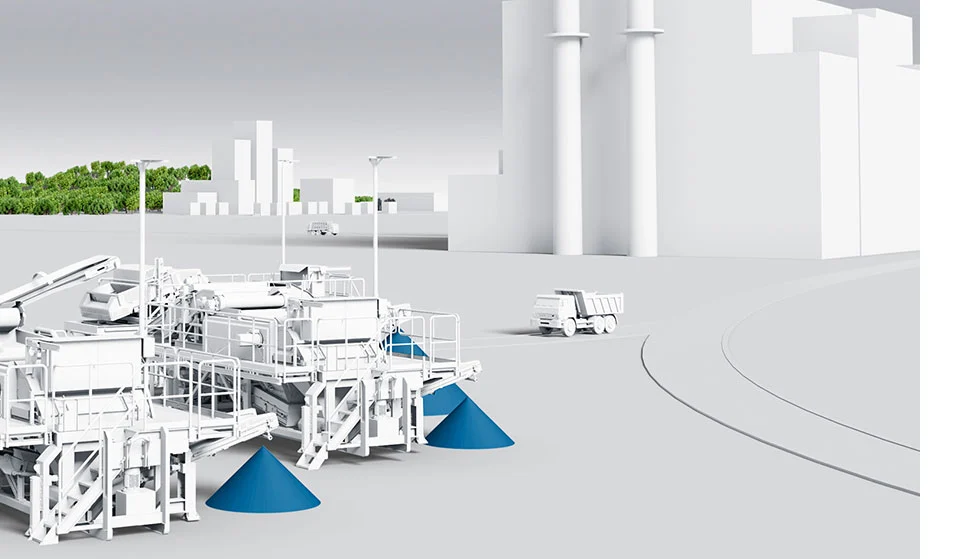
Closing loops in the Waste-to-Energy business
According to 2025 statistics, more than 3,100 Waste-to-Energy (WtE) plants are in operation worldwide, treating approximately 640 million tonnes of waste every year. After incineration, 20 to 25 % of waste remains in the form of incinerator bottom ash (IBA). Innovative recycling approaches can make a significant contribution to the recovery of the mineral and metallic resources contained in the residue. more
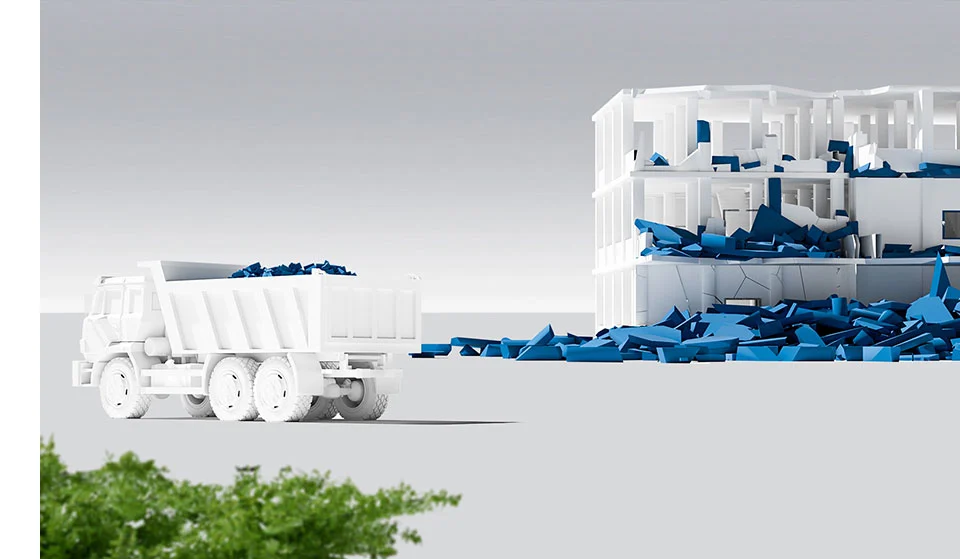
Recycling services for the construction sector
Soil and construction waste are among the largest waste streams worldwide. At the same time, demand for mineral raw materials remains consistently high. Ensuring that mineral components such as concrete, natural stone and soil are returned to the material cycle as recycled building materials is one of the core tasks of waste management in construction projects – a task that REMEX has been carrying out and continuously improving for over five decades. more
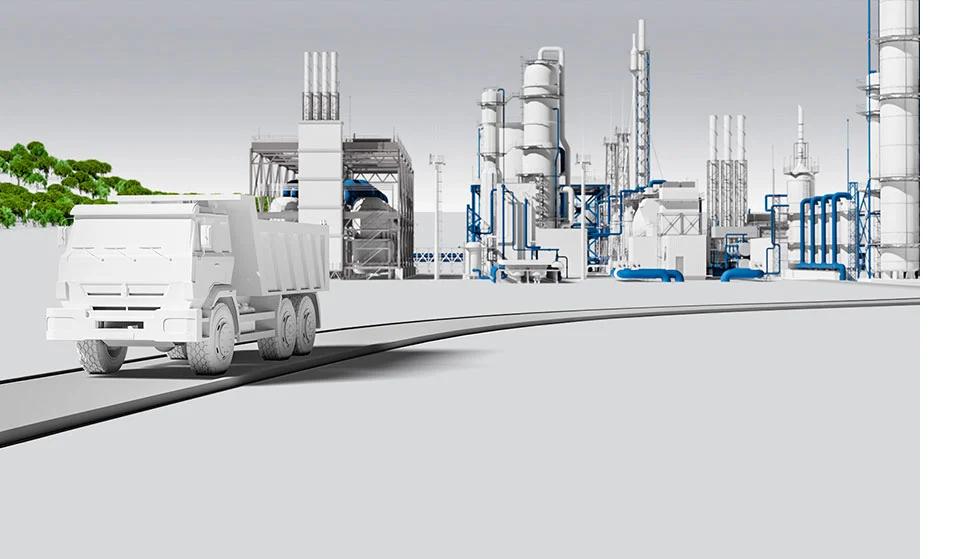
Making the best from industrial waste
Many industrial processes generate mineral by-products and waste that can be put to further use. These industries include chemical and physical treatment plants, foundries, smelters (lead smelters, zinc smelters, aluminium smelters), wastewater treatment plants, power stations, steelworks and the paper industry. Managing of their waste in the best possible way based on its properties is one of REMEX’s key areas of expertise. more